
SWEDINT
Welcome to the Swedish Armed Forces International Centre – SWEDINT. We are a NATO accredited education and training centre that conducts multinational staff training for military, civilian and police personnel. Participants who have completed our training will be equipped to work in multinational and integrated staffs within the framework of NATO, UN and EU. On this site you will find information about the education that we offer and how to apply. As the protection of a safe and secure learning environment and the safeguarding of the well-being of our course participants is a priority for us, changes may occur in our scheduling. We will communicate any change on this website. If you have any questions, please do not hesitate to contact us at swedint@mil.se SWEDINT is part of the Guards Regiment, located at Kungsängen outside of Stockholm.

Facts about SWEDINT
Latest news
About SWEDINT
a few words from THE COMMANDANT
The Swedish Armed Forces International Centre (SWEDINT) is a joint Swedish Armed Forces (SWE AF) training centre with the mission to deliver international staff officer education within planning and synchronisation, pre-deployment training and institutional capacity, building support to strategic partners.
SWEDINT delivers this primarily for SWE AF, NATO, UN and EU. The vision for achieving the mission states that SWEDINT will be spearheading training solutions within planning and synchronisation to generate warfighting capability of allies and partners.
The current global security situation is characterised by instability, uncertainty and serious challenges. Russia´s full-scale war of aggression on Ukraine has created the most dire security crisis in Europe since the second world war. In a reality where the rules-based world order has been upended, NATO is a vital component of Europe´s security, and NATO’s deterrence and collective defence is a central starting point for Sweden´s defence.
At SWEDINT, priority is given to identifying and addressing emerging national and alliance training requirements by delivering prioritised residential, on-line and on-site training solutions (mobile education and training teams, METT), as well as enabling NATO’s capability to plan and synchronise operations on tactical, operational and strategic level. SWEDINT is a fully accredited NATO Education and Training Facility and also appointed NATO Department Head for the Land Operations discipline. SWEDINT is thereby actively contributing to NATO’s transformation to Warfighting Commands.
The nature of modern warfare is changing before our eyes, and understanding and adopting to the current and emerging threats in the planning and execution of multi-domain operations is vital. As reality changes, and with it the demands for new, operationally relevant training solutions, SWEDINT’s commitment to quality education and training will stand fast.
We look forward to welcoming you to our courses!
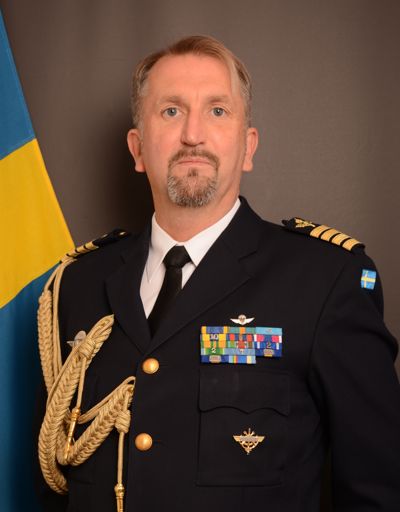
Col Richard Gray, Commandant of SWEDINT.
Courses at SWEDINT
UN, NATO/Partnership, EU, NORDEFCO and other courses are conducted yearly at SWEDINT. Around 1300 participants from more than 60 countries typically take part in our activities.

The courses
SWEDINT's international courses offer both residential and online courses, as you can see in the course list below.
The courses we conduct are constantly updated and revised in accordance with new Standard Training Modules (STM), lessons learned from current PSO, development of doctrines and last but not least, in line with the pedagogy of modern adult learning.
Course participants must be proficient in English as described in NATO Standard Agreement (STANAG) 6001: Listening - Professional (3), Speaking - Functional (2), Reading- Professional (3), Writing - Functional (2).
More information about STANAG 6001 is available at www.natobilc.org
SWEDINT acknowledges that this is a NATO standard which may not apply to all nations.
Basic computer skills are necessary. No additional training or translation will be provided during the courses. Each student will be provided with a laptop for use throughout the course. All students have access to the public Internet through SWEDINT's laptops. WiFi for use on SWEDINT laptops is only provided within SWEDINT premises. WiFi with access to the public Internet on personal devices is provided at the Student Hotel.
Meals are served in the Officers' Dining Hall. Social events and welfare arrangements are integrated and mandatory parts of the courses and included in the course fee.
SWEDINT places high demands on personal behaviour and respect for others regardless of religion, ethnicity, gender or sexual orientation. The SWEDINT Code of Conduct is available for all to read on the student's network at SWEDINT and also here below.
Our courses
NATO Land Tactical Planning Course (NLTPC)
23 November - 4 December, 2026
1 - 12 February, 2027
7 - 18 June, 2027
27 September - 8 October, 2027
29 November - 10 December, 2027
NATO Joint Synchronisation Course (JSC)
2 - 13 November, 2026
1 - 12 March, 2027
8 - 19 November, 2027
NATO Senior Joint Synchronisation Course SJSC
23 - 25 February, 2027
2 - 4 November, 2027
NATO English for Military Planners (NEMP)
31 March - 2 April, 2027
23 - 25 November, 2027
NATO Comprehensive Operations Planning Course (COPC)
5 - 16 April, 2027
NATO Lessons Learned Staff Officer Course (LLSOC)
5 - 9 October, 2026
15 - 19 March, 2027
17 - 21 May, 2027
4 - 8 October, 2027
United Nations Staff Officer Course (UNSOC)
5 - 16 October, 2026
United Nations Police Officer Course (UNPOC)
United Nations Police Integrated Mission Training (UNPIMT)
Prison and Probation Officer Course (PRIPOC)
Courses and dates may be subject to change.
How to apply
If you would like to apply to a course at SWEDINT, please use the application form below.
If you have any questions, please do not hesitate to contact us: swedint@mil.se
Documents
Application form (pdf, 579 kB)
NATO Department Head for Land Operations
SWEDINT, together with The Slovak Armed Forces Academy of General Milan Ratislav Stefanik (SVK AFA), was appointed as Department Head (DH) for the NATO Land Operations (LANDOPS) discipline in January 2025. The primary duty of the DH is to translate NATO operational requirements into education and training (E&T) solutions within the discipline framework.

NATO Department Head for Land Operations
A NATO DH acts as the central coordinator for specific, specialised military disciplines, managing the "centralised coordination and decentralised execution" of NATO E&T activities. They align training with requirements, ensuring standardised, high-level operational capabilities across Allied forces in specific functional areas.
Key responsibilities of a NATO Department Head include:
- Discipline Management: Managing specialised areas (e.g., operations planning, communications).
- Requirements Alignment: Bridging the gap between operational needs (Requirements Authority) and training providers (Education & Training Facilities).
- Standardisation: Developing, coordinating, and assessing operational standards within their discipline across NATO forces.
- Quality Assurance: Monitoring and improving training quality and relevance to NATO mission requirements.
- Execution Support: Coordinating with NATO Centres of Excellence (COE) and commands to ensure efficient, consistent training execution.
The DH will strive to ensure that the solutions identified are delivered in the most effective, efficient, and affordable manner through NATO Allies, Partners, and Non-NATO Entities (NNE). Additionally, the DH will conduct the Annual Discipline Conference, with participation from the community of interest, the Requirements Authority, Subject Matter Experts, E&T institutions and affiliated organisations, and produce a Discipline Alignment Plan (DAP). The DAP will reflect the main developments and achievements and outline the way ahead, concerning NATO LANDOPS E&T, as well as highlight the contributions to the LANDOPS E&T by partners and NNE.
Facilities
The facilities available for students at SWEDINT and NCGM include, apart from the lecture rooms, the dining hall, the PE hall, the student lounge and the officers' mess. All within close walking distance from the centres.

Welcome to SWEDINT and NCGM
Below are photos from the facilities hosting SWEDINT and NCGM.
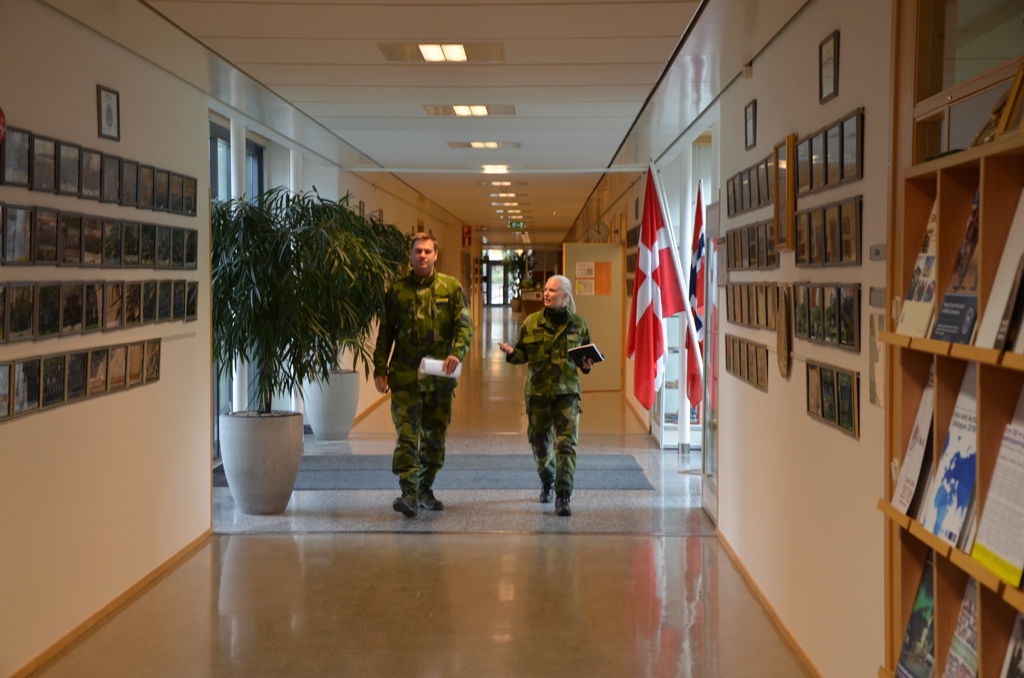
The building was built for the purpose of education and training and inaugurated in 2004, making it a well-functioning and - in relative terms - modern learning environment.
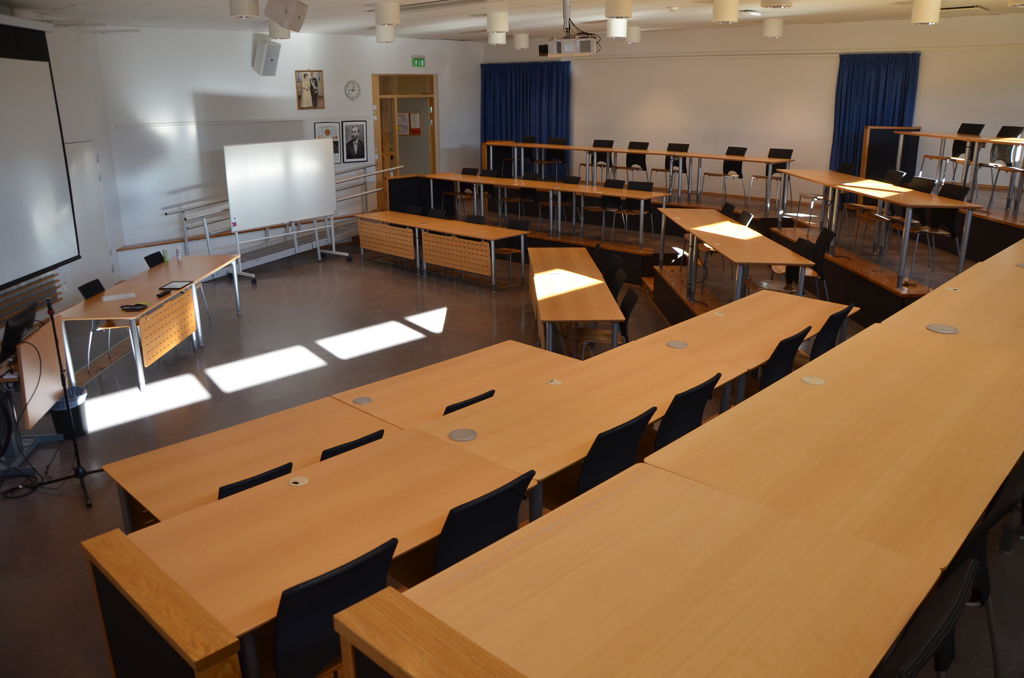
One of two amphitheatre-type lecture rooms.
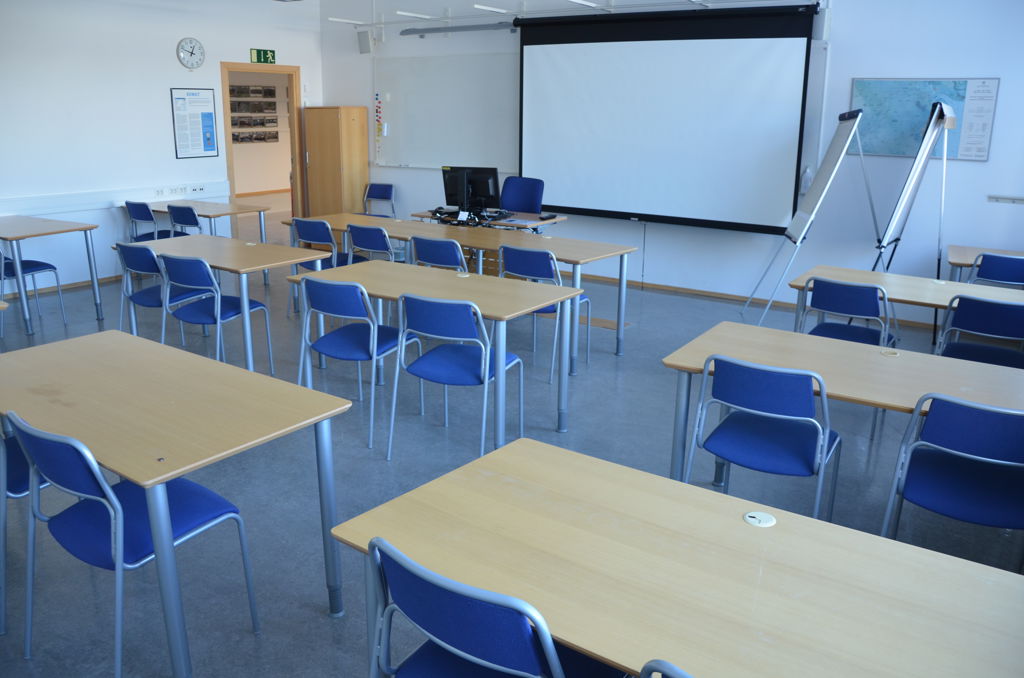
One of several lecture rooms.
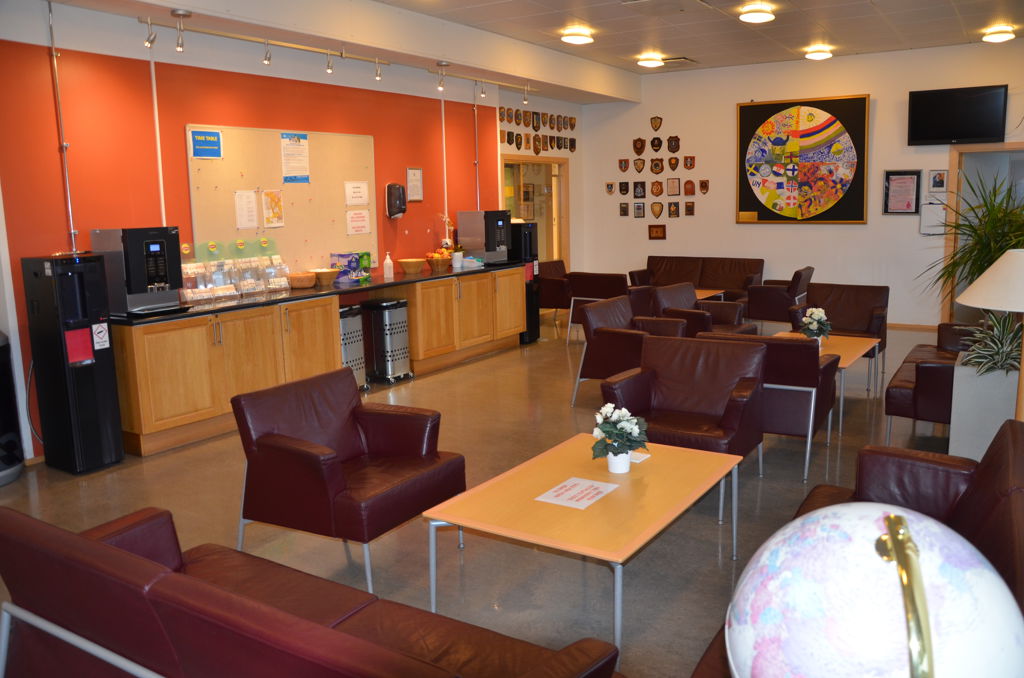
Student lounge.
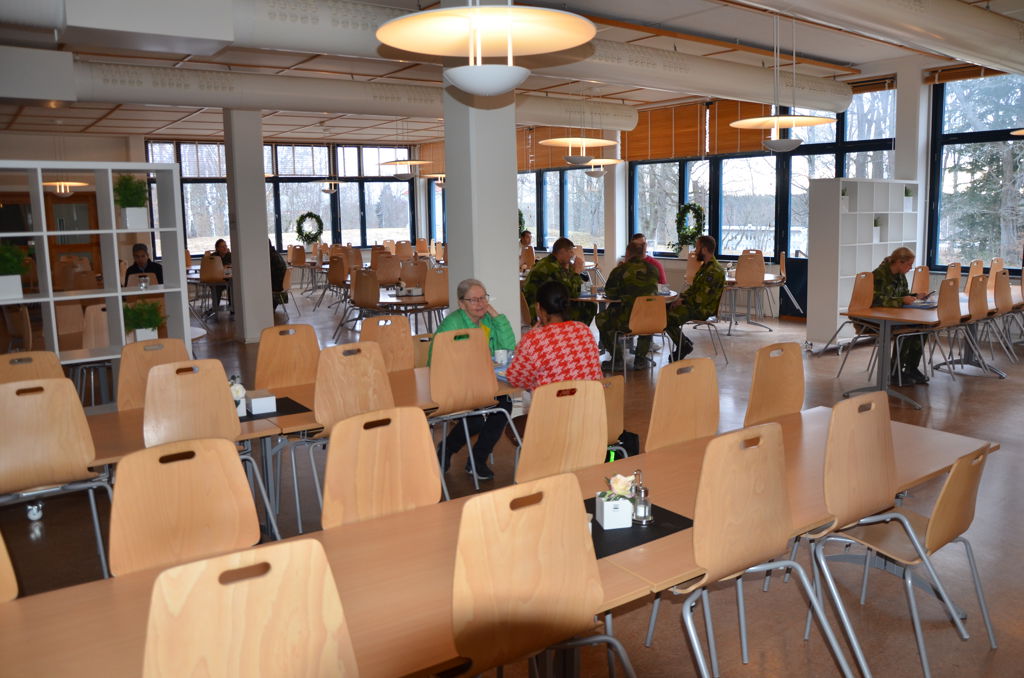
Guards Regiment dining hall.
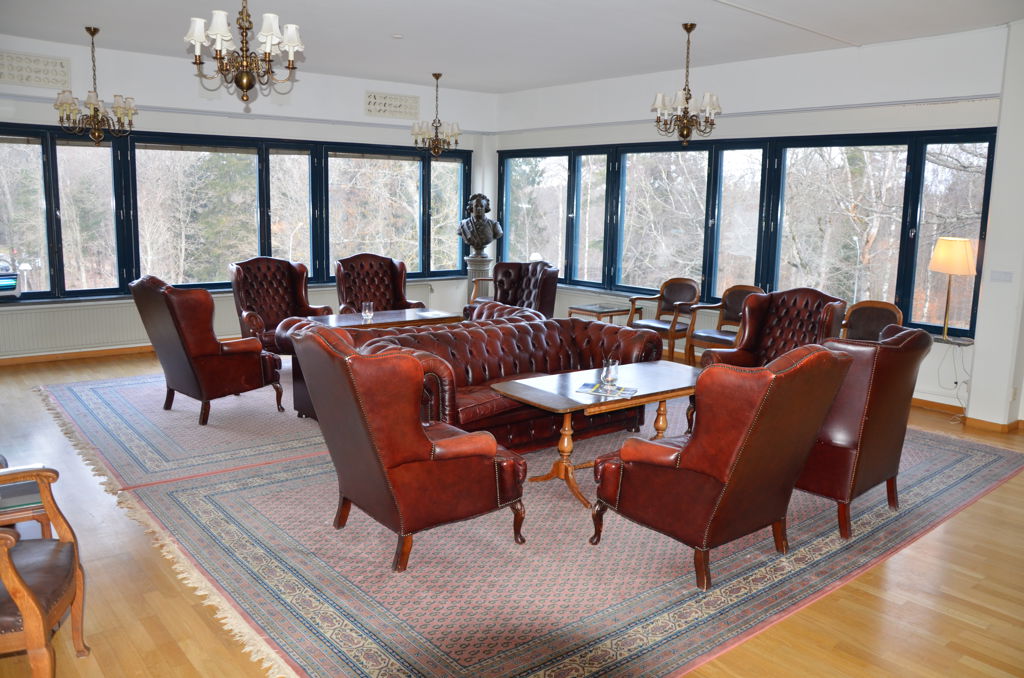
Guards Regiment officers mess.
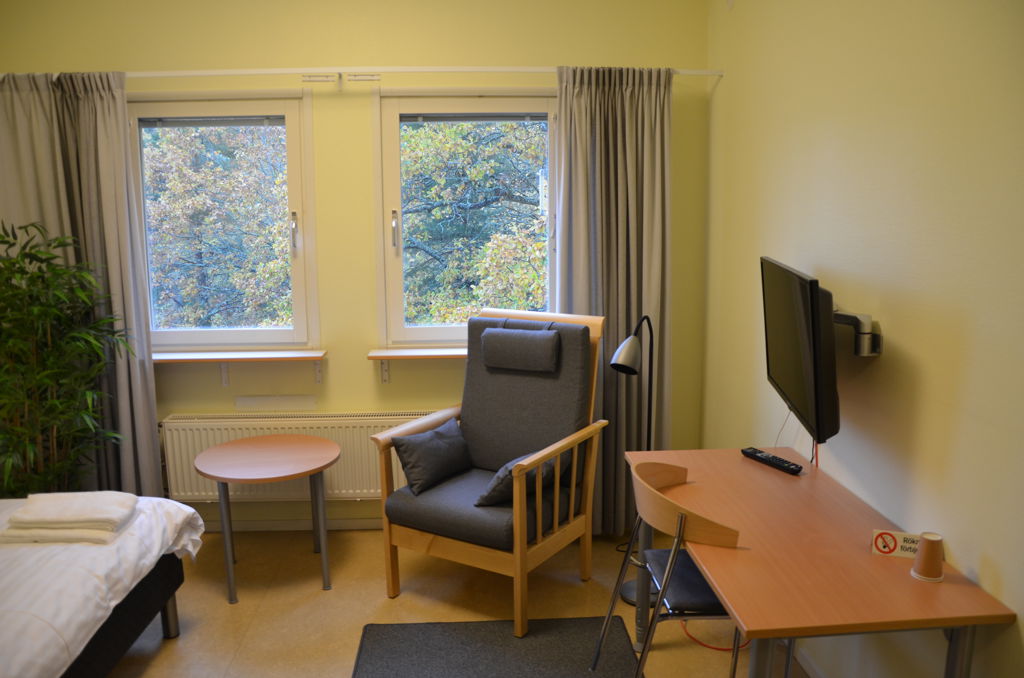
Room at the student hotel.
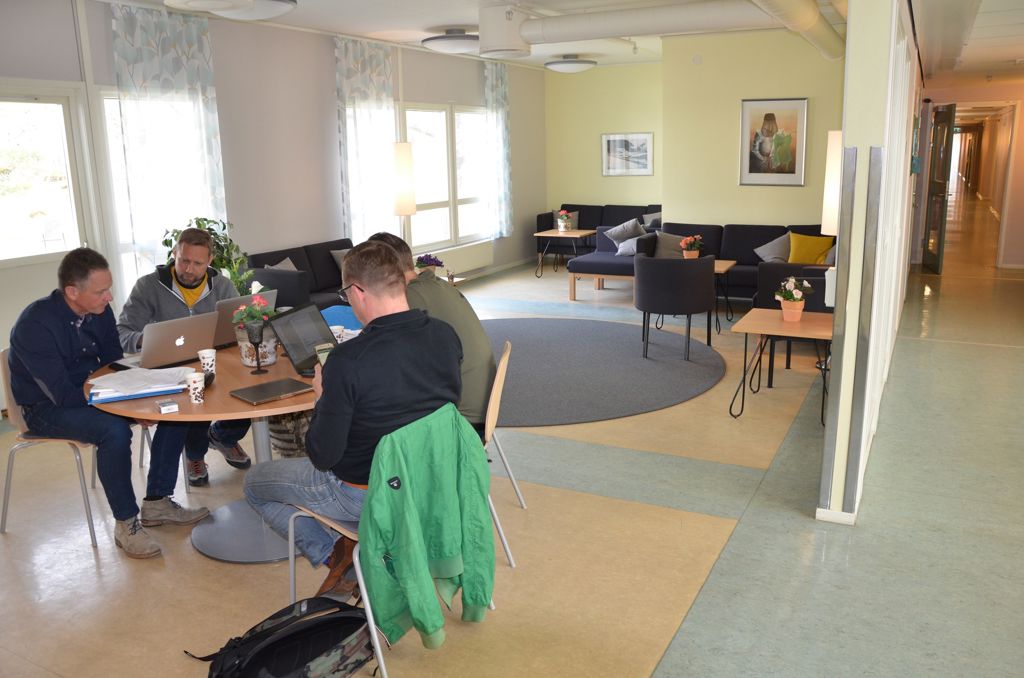
Student hotel lounge.
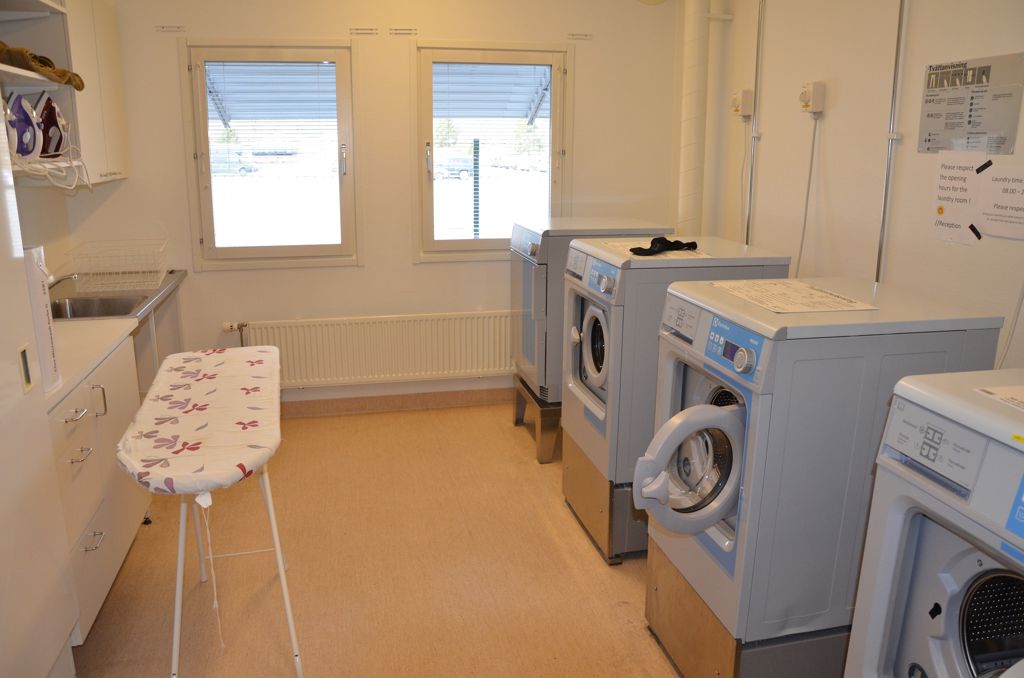
Laundry facility at the hotel.
A Partnership Training and Education Centre - PTEC
Partnership Training and Education Centres (PTECs) form a global network of institutions offering courses and academic seminars to both civilian and military staff from NATO member and partner countries. Their goal is to improve the professionalism of national personnel, increase military and intellectual interoperability, and conduct education and training activities related to NATO partnership programmes and policies.
Partnership Training and Education Centre
Launched in 1999, PTECs are one of NATO's key tools for enhancing the stability and resilience of both Allies and partners. They are fundamental to NATO's efforts to help partner countries develop efficient and resilient defence institutions. Through a wide range of educational training activities, they contribute to knowledge-sharing, capacity-building and innovation.
Currently, the PTEC network comprises 36 centres, with 19 centres based in NATO member countries and 17 centres in NATO partner countries. Every year around 50 000 people are trained at one or more of the 1 300 courses offered by the centres. PTECs are also actively engaged with other international organisations, including the United Nations, the European Union and the African Union.
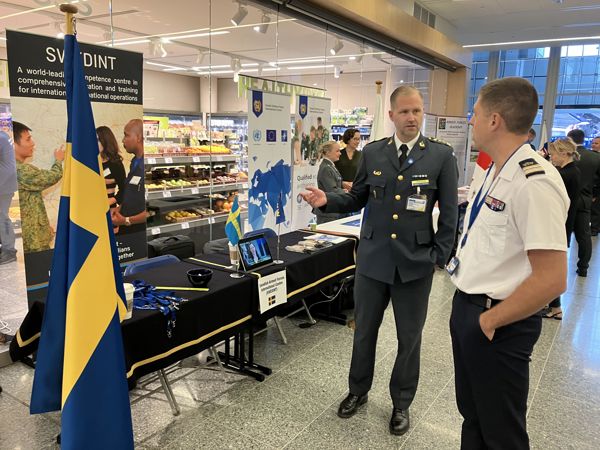
SWEDINT at PTEC Marketplace @ NATO HQ.
Programmes and activities
As new security challenges worldwide require a coordinated response, NATO sees education and training as one of the best tools to help enhance stability and resilience. By supporting knowledge exchange, interoperability, regional confidence-building, lessons learned and best practices, PTECs are at the core of the Alliance's cooperative security efforts to increase the cohesion and readiness of its members and partners.
PTECs offer a broad spectrum of activities. These range from courses for military and civilian audiences, over seminars and workshops, to platforms of a more operational nature, such as field training or providing venues for exercises. Some PTECs also offer subject-matter experts (SMEs) and Mobile Education and Training Teams (METTs). All PTEC activities are open to personnel from Allies and partner countries alike based on the principles of transparency and non-discrimination.
PTECs have proven indispensable for the implementation of NATO’s key partnership programmes, most notably for the Defence Education Enhancement Programme (DEEP), Building Integrity (BI), Defence and Related Security Capacity Building (DCB) or the Operational Capability Concept (OCC).
Moreover, PTECs play an active part in NATO’s Partnership Cooperation Menu (PCM), a catalogue comprised of education, training and other events for Allies and partners across almost 40 areas of cooperation. These centres contribute to the PCM on topics like defence reform, protection of civilians in armed conflict, crisis management, cyber defence, leadership, language training and cultural awareness.
PTECs also provide pre-deployment training to troops for NATO operations and missions such as the Kosovo Force (KFOR) and Operation Sea Guardian. Moreover, they offer their expertise for missions of other international organisations such as the United Nations, the European Union and the African Union.
NATO Headquarters, Brussels, Belgium
At NATO Headquarters (NATO HQ), the International Staff’s Operations Division, in cooperation with the International Military Staff’s Cooperative Security Division, acts as NATO’s focal point for the PTEC community. They support the PTEC recognition process, the identification of education and training gaps, and the organisation of the annual PTEC Marketplace, where PTECs present their activities and achievements.
Allied Command Transformation, Norfolk, Virginia, USA
Allied Command Transformation (ACT) has the overall responsibility for the management of education and individual training across NATO. It offers support and guidance to the PTECs and ensures that all training courses are certified and reflect NATO standards. ACT’s oversight enhances interoperability within the wider training community and supports the establishment of NATO quality management standards. ACT also engages with the PTEC community through co-chairing the annual PTEC Conference of Commandants and PTEC Working Group.
NATO School Oberammergau, Germany
The NATO School Oberammergau (NSO), with support from relevant NATO bodies, helps develop cooperation, coordination, information exchange and sharing of lessons learned among all PTECs. Together with ACT, it co-chairs the PTEC Conference of Commandants and the PTEC Working Group. It also manages the Train the Trainer Programme and the Instructor Exchange Programme. In addition, the NSO collaborates academically with several PTECs to deliver specialised education and training.
Quality assurance
To ensure that our training is of the highest quality standard, SWEDINT's ongoing quality work is structured according to the European Standard on Quality Assurance; UN department for Peacekeeping Operations (DPO) Training and Educational Standards; NATO Education and Training Directives Bi-SC-75-2 and 75-7, and Standards and Guidelines for Quality Assurance in the European Higher Education Area.

Quality Management System
SWEDINT's Quality Management System (QMS) ultimately aims to ensure the highest quality and relevance in SWEDINT's processes and standing orders, staff and instructors' competence and development, management and evaluation of experiences, communication and information and education systems, range/content of courses and activities, ability and capacity for education (facilities) as well as student evaluation and ability to achieve results.
The QMS is not a main process in its own, it is integrated in all activities. It is is a tool and enabler of the main goal in delivering the right solutions for SWEDINT´s stakeholders.
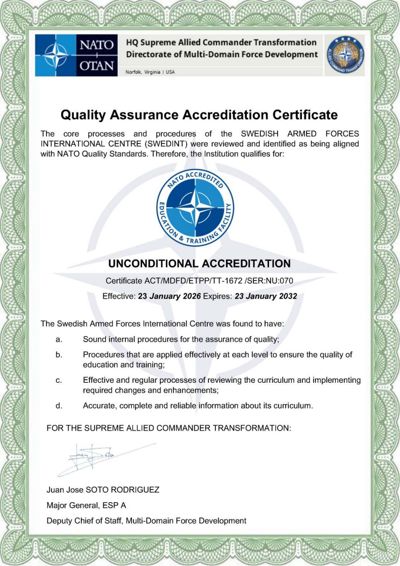
Swedint has since 2013 achieved NATO Unconditional Accreditation.
Contact us
Email: swedint@mil.se
Facebook: Swedint
LinkedIn: Swedint
X: @swedintcentre
Postal address:
SWEDINT
Livgardet
SE - 196 85 Kungsängen
Sweden